
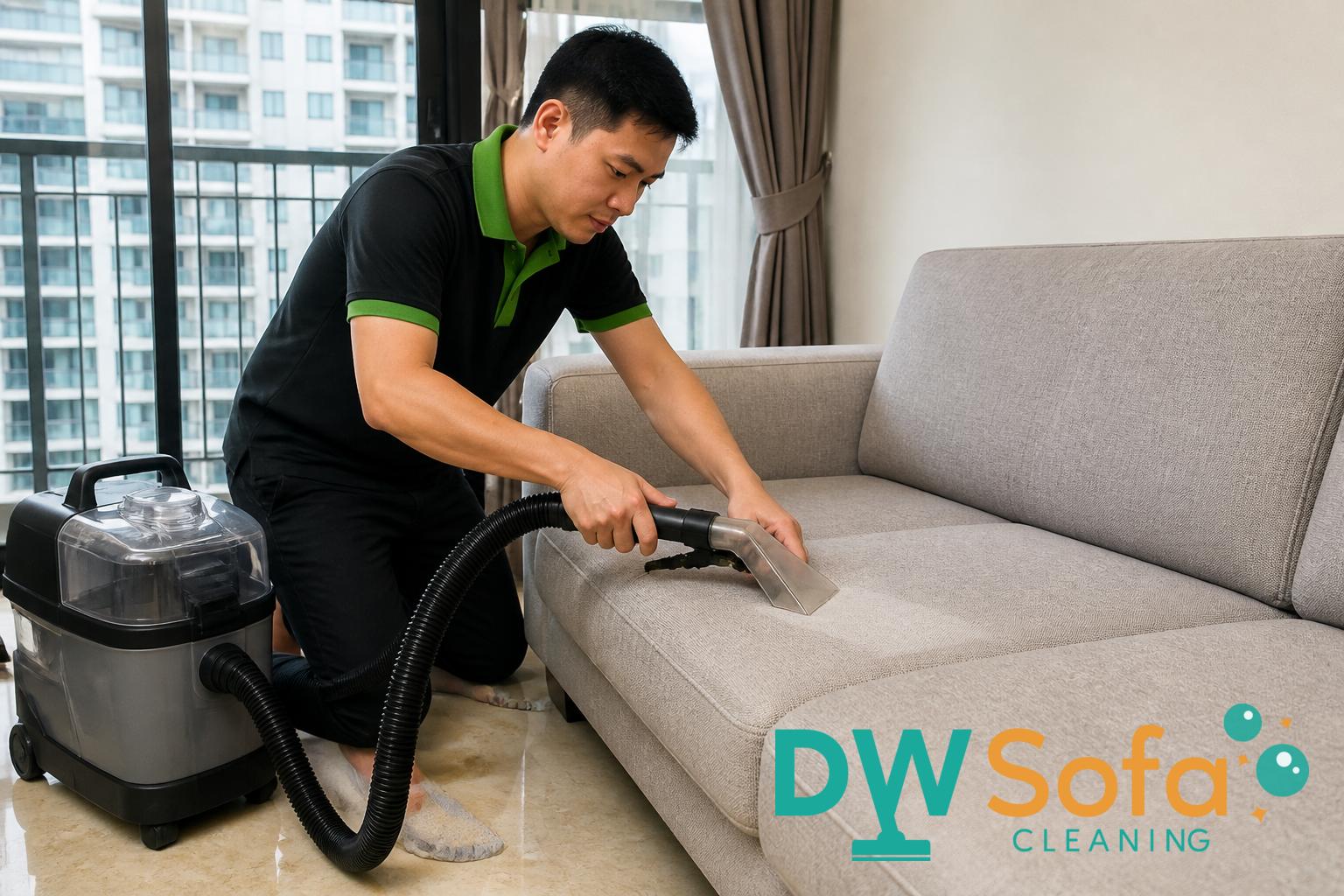
Choosing the right sofa cleaning method in Singapore depends on more than just how dirty the upholstery looks. The fabric type, cushion construction, level of soiling and whether there are stains, odours or allergy concerns all affect which approach is safest and most effective. Using the wrong method can leave watermarks, damage delicate fibres or even shorten the life of your sofa.
Why the right cleaning method matters
In Singapore’s warm and humid climate, sofas can absorb sweat, dust, food spills and airborne particles more quickly than many homeowners expect. If moisture is not managed properly, it may also encourage musty smells or mould growth beneath the surface. That is why sofa cleaning should be matched to the material and condition of the furniture rather than treated as a one-size-fits-all task.
A suitable method helps lift embedded dirt, refresh the upholstery and protect the internal padding. It also reduces the risk of colour run, shrinkage, fabric distortion and residue build-up. For households with children, pets or frequent guests, the right cleaning choice can make a noticeable difference to comfort and hygiene.
Fabric sofas and the methods that suit them best
Fabric sofas are common in Singapore homes because they are comfortable and come in many designs, but they can vary widely in fibre content and finishing. Microfibre, polyester blends, cotton and linen-style upholstery all react differently to moisture and cleaning agents. Before any sofa cleaning starts, it is important to identify whether the fabric is water-safe, delicate or prone to marking.
For many fabric sofas, hot water extraction or controlled steam cleaning is suitable when done professionally, especially when the fabric can tolerate deeper moisture and the sofa needs a more thorough refresh. For delicate fabrics, a low-moisture upholstery cleaning process or careful spot treatment may be more appropriate. The best method is the one that removes grime without over-wetting the sofa or leaving residues behind.
When steam cleaning is a good choice
Sofa steam cleaning is often chosen when the upholstery needs a deeper sanitising effect and the material can handle heat and moisture. It is particularly useful for removing general build-up, light odours and some surface bacteria in homes where the sofa is used daily. In Singapore, where humidity can make soft furnishings feel stale faster, steam cleaning can help restore a fresher finish.
That said, steam cleaning is not suitable for every sofa. Certain delicate fabrics, antique pieces, glued constructions and some leather or suede finishes can be damaged by heat or excess moisture. A professional assessment is important because the cleaning method must be adapted to the upholstery, not forced onto it.
Spot treatment for stains and localised marks
If the main issue is a recent spill or a single stain, full sofa deep cleaning may not always be necessary as the first step. Targeted sofa stain removal can be more suitable for coffee, tea, mild food stains, ink spots or water marks, provided the stain type is identified correctly. Different stains require different solutions, and using the wrong product can set the mark permanently.
Professional spot treatment usually starts with testing a small hidden area to check colourfastness. From there, the technician can use the right cleaning agent, controlled agitation and careful extraction. This approach is especially useful for households that want to tackle a specific problem without disturbing the rest of the upholstery more than necessary.
How to choose based on sofa material
The material is often the clearest guide to choosing a safe cleaning method. Leather generally needs a specialist leather-safe treatment rather than steam or heavy soaking, because excessive moisture can dry out or crack the surface. Suede and nubuck are even more sensitive and usually require dry or specialist low-moisture methods.
For synthetic fabrics, a deeper cleaning method is often possible, especially when the sofa has regular dirt accumulation or spill residue. If the upholstery has a manufacturer care label, it is worth checking for cleaning codes such as water-safe, solvent-only or professional-only guidance. When in doubt, a trained upholstery cleaner will usually inspect the label, fibre type and seams before recommending the most suitable process.
Which method suits everyday household issues
For ordinary household use in Singapore, the best method depends on the problem you are trying to solve. If the sofa simply looks dull and has minor dust build-up, a standard upholstery cleaning process may be enough. If there are visible stains, trapped smells from food or pets, or the sofa has not been cleaned for a long time, sofa deep cleaning is usually the more appropriate choice.
As a practical guide:
- Light surface dust or freshness refresh — gentle upholstery cleaning
- Embedded dirt, sweat and odours — sofa deep cleaning or extraction cleaning
- Fresh spills and visible marks — sofa stain removal with targeted treatment
- Heat-tolerant fabric needing sanitising — sofa steam cleaning
- Delicate leather or speciality fabrics — specialist low-moisture or material-specific cleaning
What Singapore homeowners should consider before booking
Before deciding on a sofa cleaning method, think about how often the sofa is used, whether there are children or pets in the home, and how long it has been since the last professional clean. A family sofa in an HDB flat may need a more thorough approach than a lightly used occasional chair in a condominium guest room. The local climate also matters because trapped moisture can linger if the wrong method is chosen.
It is also sensible to consider drying time and ventilation. In a compact apartment, a method that uses excessive water may leave the sofa damp for too long. A suitable service should balance cleaning power with efficient drying so that the furniture is ready for use again without creating extra humidity indoors.
If you are unsure which sofa cleaning method suits your upholstery, WhatsApp DW Sofa Cleaning Singapore to discuss the fabric, stains and condition of your sofa and request a quotation based on the most suitable cleaning approach.
Keeping your sofa in better condition after cleaning
Once the sofa has been cleaned properly, a few simple habits can help maintain the results. Vacuuming the upholstery regularly reduces dust and crumbs from settling into the fibres. Addressing spills quickly also improves the chance of successful sofa stain removal later, because fresh marks are much easier to treat than old ones.
It is also worth rotating cushions if your sofa design allows it, as this helps even out wear. For households that use the sofa heavily, scheduling periodic sofa cleaning services in Singapore can help preserve the fabric and keep the living area more comfortable throughout the year.
Conclusion
The most suitable sofa cleaning method is the one that matches your sofa’s material, stain type and condition. Steam cleaning can work well for some durable upholstery, while delicate fabrics, leather and suede may need gentler specialist methods. For many Singapore homes, the safest result comes from assessing the sofa properly first, then choosing the cleaning technique that protects the upholstery while restoring cleanliness and comfort.
Choose DW Sofa Cleaning Singapore
DW Sofa Cleaning Singapore provides professional and reliable sofa cleaning services in Singapore which include sofa deep cleaning, sofa stain removal, and upholstery cleaning. Feel free to look through our articles and learn some cleaning tips. Do not hesitate to call us or Whatsapp us at +65 8241 0032 for efficient and reputable sofa cleaning services!
Frequently Asked Questions
Is steam cleaning always suitable for fabric sofas?
No. Steam cleaning can be effective for some durable fabric sofas, but delicate upholstery, glued structures and certain speciality materials may be damaged by heat or moisture. The sofa should be checked first before deciding on this method.
What is the difference between sofa deep cleaning and sofa stain removal?
Sofa deep cleaning treats the whole upholstery surface and helps remove built-up dirt, odours and hidden grime. Sofa stain removal focuses on a specific mark or spill and uses targeted treatment suited to the stain type.
How do I know if my sofa needs professional cleaning?
If the fabric looks dull, feels sticky, smells musty or has visible stains that do not come off with light home care, professional sofa cleaning is usually a better option. It is also advisable when the sofa fabric is delicate or when you are unsure which method is safe.