
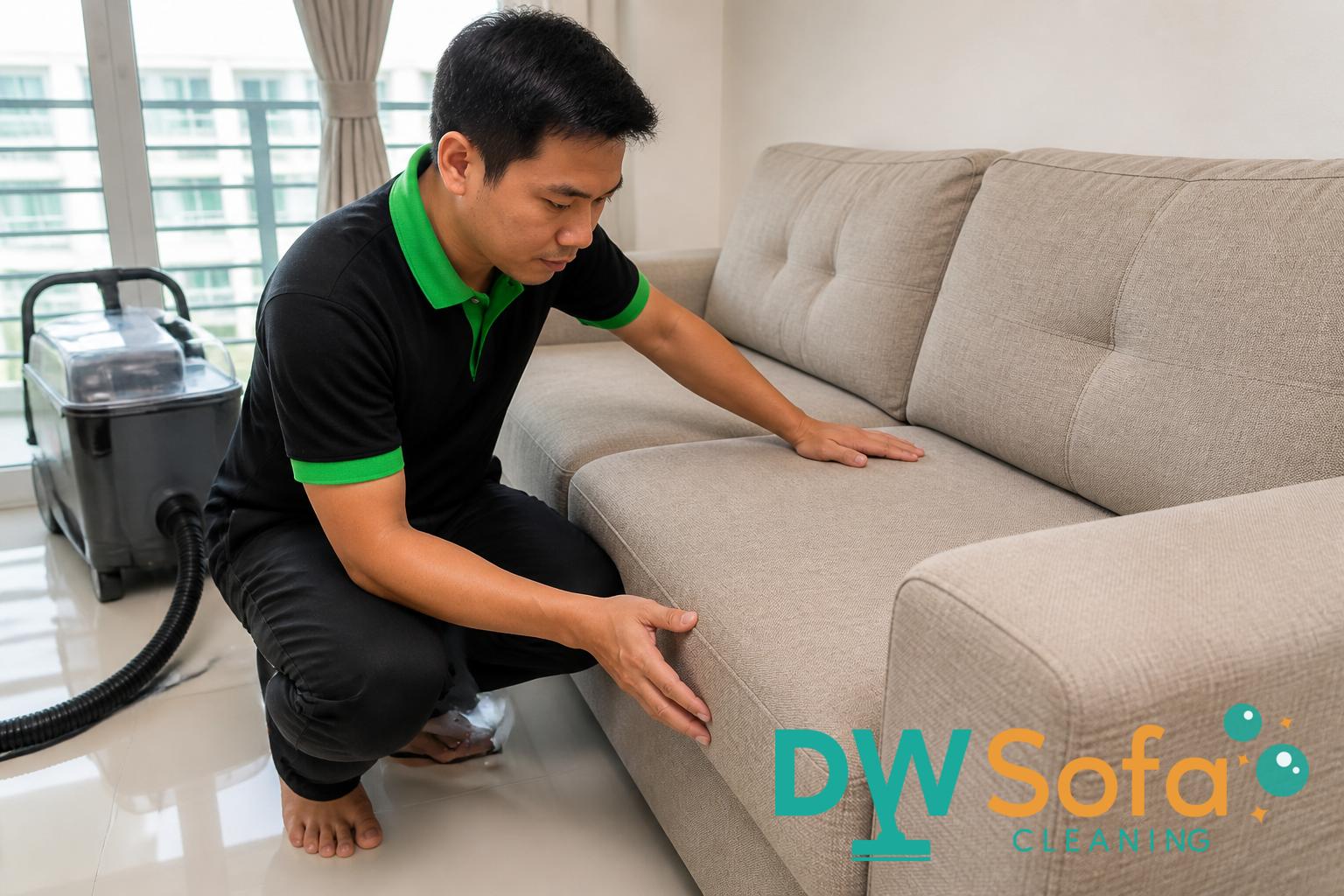
Professional sofa cleaning can be effective on many different sofa materials, but the results depend on the fabric type, construction, stains present and the cleaning method used. In Singapore homes, sofas often face humidity, dust, sweat, food spills and pet hair, so a one-size-fits-all approach rarely works. A proper assessment helps determine whether the upholstery can be deep cleaned safely, whether steam cleaning is suitable, or whether a low-moisture method is better for delicate materials.
Why sofa material matters so much
Different sofa materials react very differently to water, heat, detergents and agitation. A cleaning method that works well on a polyester blend may be too aggressive for velvet, and a process suitable for leather would not be the same as one used on cotton upholstery. That is why professional sofa cleaning services begin by identifying the material before choosing a treatment.
In Singapore, many sofas are exposed to year-round humidity, which can make fabrics hold odours and moisture longer. Materials with a tight weave may tolerate stronger extraction, while loose weaves or natural fibres can shrink, distort or leave water marks if handled carelessly. The correct material assessment is what makes professional cleaning work properly rather than causing damage.
How professionals assess the sofa before cleaning
A reliable cleaner will usually inspect the sofa’s fabric label, construction, stitching, cushioning and visible wear. This helps determine whether the upholstery is colourfast, water-safe and suitable for deep cleaning or steam cleaning. A small spot test is often carried out in an inconspicuous area to check for colour transfer or texture change.
This step is especially important for homes in condos, HDB flats and landed properties where sofas may be used heavily by children, guests and pets. A careful assessment reduces the chance of shrinking, streaking or leaving detergent residue behind. It also helps the cleaner decide how much moisture the sofa can handle during extraction.
Fabric sofas and synthetic upholstery
Fabric sofas made from polyester, microfiber, olefin or blended materials are among the most responsive to professional sofa cleaning. These upholstery types usually tolerate hot water extraction or controlled steam cleaning better than delicate natural fabrics. They often benefit from deep cleaning because dirt, body oils and dust become trapped within the fibres over time.
Microfiber and tightly woven synthetics are common in Singapore homes because they are practical and durable. When treated correctly, professional cleaning can remove everyday grime, improve appearance and reduce musty odours. Even so, the cleaner must use the right water temperature and drying method to avoid water rings or texture flattening.
Natural fibres such as cotton, linen and wool
Natural-fibre sofas can be cleaned professionally, but they require more care. Cotton and linen can be prone to shrinkage, and wool can react badly to excessive moisture or strong chemicals. For these materials, a skilled cleaner will often use lower-moisture methods, carefully controlled detergents and targeted stain treatment rather than heavy saturation.
These fabrics can still respond well to sofa deep cleaning when the process is matched correctly to the material. The aim is to lift soil without over-wetting the fibres. For Singapore households, this can be particularly useful when a sofa has absorbed sweat, food residue or general environmental dust but still needs a gentle approach.
Leather and faux leather sofas
Leather and faux leather do not behave like fabric upholstery, so they need a different cleaning method altogether. Professional cleaning can still work very well, but the process focuses on surface soil removal, conditioning and preserving the finish. Harsh scrubbing, strong solvents and excess water should be avoided because they can dry out or damage the material.
For genuine leather sofas, regular professional care can help maintain softness and reduce cracking, especially in air-conditioned Singapore homes where leather can dry out over time. Faux leather is generally easier to wipe down, but it can still suffer from peeling or surface wear if cleaned with the wrong products. Professional treatment helps protect the appearance and lifespan of both types.
Velvet, suede and other delicate fabrics
Delicate materials such as velvet and suede need the most cautious approach. These surfaces can mark easily, become distorted by excess moisture and lose their texture if cleaned too aggressively. In such cases, a professional cleaner may recommend low-moisture cleaning, careful grooming of the pile or specialised spot treatment rather than full saturation.
Professional sofa cleaning can still be effective here, but expectations should be realistic. The goal is often to refresh the upholstery, reduce stains and remove embedded dirt while preserving the material’s finish. Homeowners should be especially cautious with DIY cleaning on these fabrics, as a small mistake can leave permanent patches or texture damage.
What stains and problems can be improved
Professional sofa cleaning is often used to tackle common issues such as food spills, drink stains, sweat marks, light pet accidents, dust build-up and odours. On many materials, these problems can be significantly improved when treated early. Stain removal is generally most successful when the stain has not fully set into the fibres.
That said, not every mark can be completely removed. Older stains, dye transfer, ink, bleach spots and heat damage may only be partially improved. A professional can usually explain what is realistic after inspecting the sofa material and the age of the stain. In many cases, even when a stain does not disappear entirely, the overall appearance of the sofa improves noticeably.
When professional cleaning is better than DIY
DIY cleaning may seem convenient, but it often lacks the precision needed for different upholstery materials. Over-wetting, using the wrong detergent or scrubbing too hard can cause more damage than the original stain. Professional cleaners use suitable equipment and material-specific methods to clean deeply while reducing the risk of shrinkage, fading or residue.
This is particularly valuable in Singapore, where sofas are used heavily and drying conditions may be slower due to humidity. A properly executed service can shorten drying time, reduce odours and restore a fresher look without the guesswork. For many households, it is the safer option when the sofa is expensive, delicate or heavily soiled.
How to care for your sofa after cleaning
After professional cleaning, good aftercare helps preserve the results. Keep the area well ventilated, avoid sitting on the sofa until it is fully dry and use cushions sparingly during the drying period. If the upholstery is fabric, try to keep it away from direct heat sources or strong sunlight that may cause fading.
Routine vacuuming also helps prevent dust and crumbs from settling deep into the fibres again. For homes with children or pets, prompt spot treatment makes future cleaning easier. With proper care, professionally cleaned sofas can stay fresher for longer and often need less intensive treatment over time.
If you would like help choosing the right approach for your sofa material, you can WhatsApp DW Sofa Cleaning Singapore to discuss a suitable sofa cleaning, sofa deep cleaning, sofa steam cleaning, sofa stain removal or upholstery cleaning service and request a quotation based on the material and condition: https://api.whatsapp.com/send?phone=6582410032&text=Hello%20DW%20Sofa%20Cleaning,%20I%20would%20like%20to%20enquire%20on%20the%20following%20sofa%20cleaning%20services:
Conclusion
Professional sofa cleaning does work on different sofa materials, but only when the method matches the upholstery type. Fabric, synthetic blends, natural fibres, leather and delicate materials each require different levels of moisture, cleaning agents and handling. When the right process is used, professional cleaning can restore appearance, remove odours and help extend the life of your sofa.
For Singapore homes, this material-specific approach is especially important because humidity, daily use and indoor living conditions can affect how upholstery responds to cleaning. Choosing a careful, experienced service gives your sofa the best chance of being cleaned safely and effectively.
Choose DW Sofa Cleaning Singapore
DW Sofa Cleaning Singapore offers you a one-stop solution for your sofa cleaning needs in Singapore. Our professional and reliable services include sofa deep cleaning, sofa stain removal, and upholstery cleaning. Our professional sofa cleaning specialists will ensure to perform the cleaning services professionally. Check out our articles for an extensive view of our services and cleaning tips. Do not hesitate to call us or contact us via Whatsapp at +65 8241 0032 to solve any of your sofa cleaning needs!
Frequently Asked Questions
Can all sofa materials be steam cleaned?
No, not all sofa materials are suitable for steam cleaning. Some synthetic fabrics can handle it well, but delicate upholstery such as velvet, suede, wool and certain natural fibres may need a lower-moisture or specialised method instead.
Will professional cleaning remove old sofa stains completely?
Not always. Fresh stains are usually easier to remove than old or set-in marks. A professional cleaner can often improve the appearance significantly, but permanent dye transfer, bleach damage or deeply embedded stains may not disappear fully.
How often should a sofa be professionally cleaned in Singapore?
Many homes benefit from professional cleaning about once every 6 to 12 months, depending on use, pets, children and exposure to dust. Sofas that are used heavily or show visible staining may need cleaning more often.