
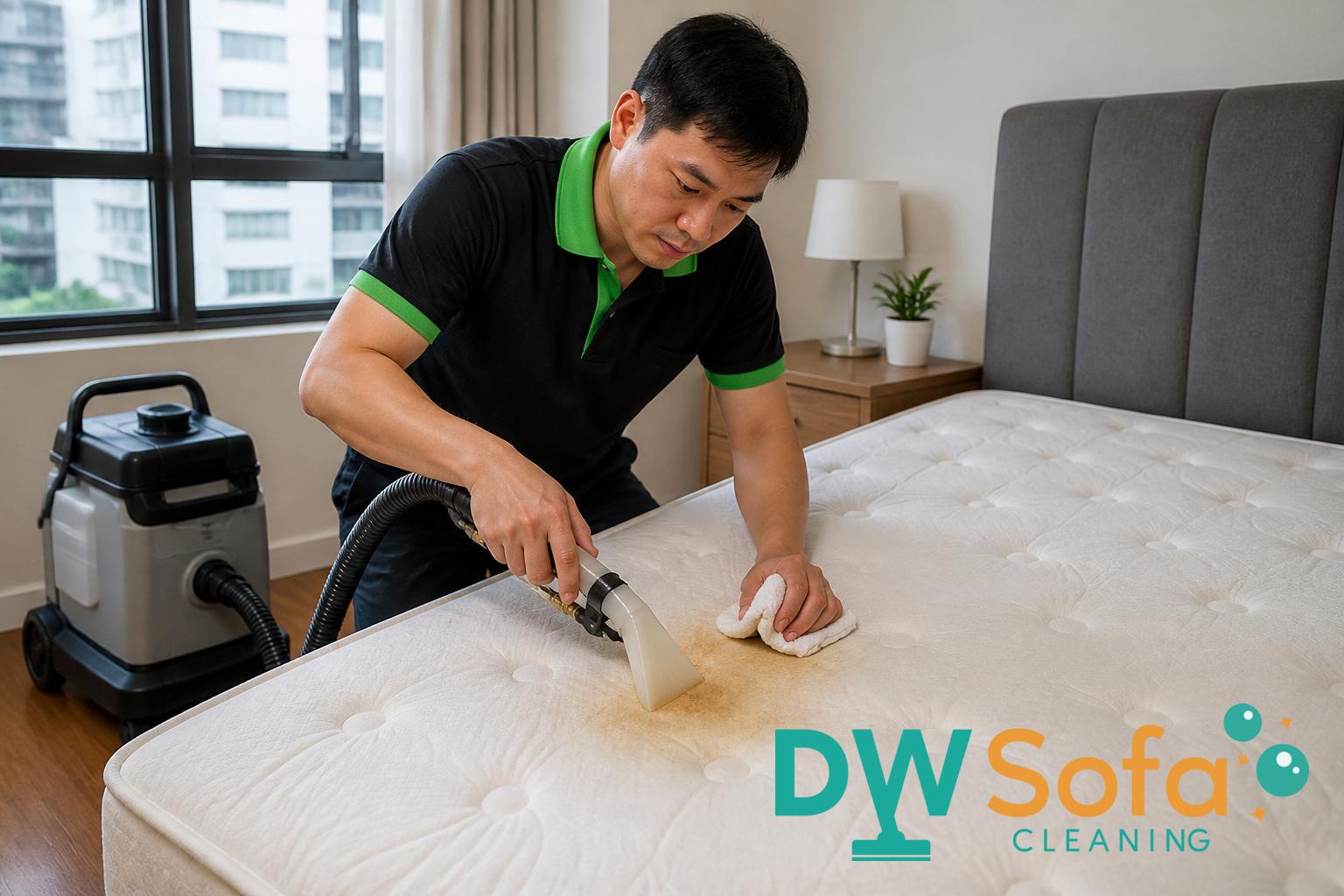
Professional mattress cleaning is more than a surface refresh. It is a structured process that removes dust, body oils, sweat residue, visible stains and trapped debris from deep within the layers of the mattress. In a Singapore home, where humidity can encourage odours and allergens to linger, understanding what actually happens during the cleaning process can help you know what to expect and how to care for your mattress properly afterwards.
Why a mattress needs more than regular vacuuming
A mattress collects far more than most people realise. Even with clean sheets and protectors, it gradually absorbs perspiration, skin flakes, dust mites, and everyday pollutants from the bedroom environment. Over time, this build-up can affect comfort, freshness and hygiene, especially in humid local conditions where moisture can sit in the fabric and padding for longer.
Vacuuming the surface helps remove loose dust, but it cannot reach deeply embedded dirt, dried spills or the particles trapped below the top layer. Professional mattress cleaning is designed to treat both the visible surface and the internal contamination that standard home cleaning often misses.
Initial inspection and mattress assessment
The process usually begins with a careful inspection of the mattress type, fabric condition and areas of concern. The cleaner checks for stains, odours, sweat marks, mildew risk, and any delicate materials that may require a gentler approach. This step matters because memory foam, latex, pocketed spring mattresses and pillow-top designs all respond differently to moisture and agitation.
A proper assessment also helps identify whether there are localised problem spots or more widespread contamination. For example, a mattress in an HDB bedroom used daily by one adult may have different cleaning needs from a guest mattress in a landed home that has developed musty odours after long storage.
Dry soil removal and deep vacuuming
Before any wet treatment begins, the mattress is usually vacuumed thoroughly with specialist upholstery tools. This removes surface dust, dead skin cells and other loose debris from seams, tufts and edges. Cleaners often pay close attention to stitching lines and corners, where fine particles tend to gather.
This stage is important because it prepares the mattress for deeper treatment. If dust and dry debris are left behind, they can interfere with stain removal and cleaning solutions. A clean starting surface also helps improve the final result and reduces the chance of dirty residue being pushed deeper into the mattress during the wet cleaning stage.
Spot treatment for stains and odours
Once the mattress has been prepared, targeted stain treatment is applied to problem areas. Common stains in Singapore homes include sweat marks, urine stains, drink spills and light food stains. The cleaner typically selects a solution based on the type of mark, the mattress material and how long the stain has been present.
This stage is not about scrubbing aggressively. Instead, a professional uses controlled application and gentle agitation to loosen the stain without damaging the fabric or forcing too much moisture into the filling. Odour treatment may also be used at this point, particularly where there are lingering smells from sweat or accidental spills.
Steam or hot-water extraction cleaning
Depending on the mattress type and condition, the main deep-cleaning stage may involve steam cleaning or hot-water extraction. The aim is to flush out embedded dirt, grime and residue from within the fibres and the upper layers of the mattress. This is where the mattress begins to feel noticeably fresher and more hygienic.
Professional equipment allows cleaning to be applied in a controlled way, so the mattress is not overly soaked. This is especially important in Singapore, where excess moisture can slow drying and raise the risk of musty odours. A skilled cleaner will balance cleaning power with moisture management to protect the mattress structure.
How moisture is controlled during the process
One of the biggest concerns during mattress cleaning is over-wetting. A mattress that retains too much water can take a long time to dry and may develop odours or internal dampness. For this reason, professionals typically use targeted application, strong extraction equipment and careful technique to minimise saturation.
After the cleaning stage, the mattress is often extracted again to draw out as much moisture as possible. In some cases, air movers or improved ventilation are recommended to speed up drying. This is particularly useful in enclosed bedrooms, condominiums with limited airflow, or rainy periods when natural drying can be slower.
What happens to dust mites and allergens
Professional mattress cleaning can significantly reduce allergens such as dust mite waste, dust and other microscopic particles trapped in the mattress. While no cleaning method can guarantee a sterile mattress, a thorough service can make a meaningful difference for people who are sensitive to dust or who want a fresher sleeping environment.
Because many allergens are embedded below the visible surface, a proper deep clean is more effective than quick home maintenance alone. For households where bedrooms are used daily, this can support better comfort and a cleaner-feeling sleep space, especially when paired with regular sheet changes and the use of a mattress protector.
Drying, grooming and final checks
After cleaning, the mattress should be left to dry fully before it is made up with sheets again. Drying time depends on the mattress thickness, room ventilation, humidity and the amount of moisture used during the cleaning. In Singapore, it is common for professionals to advise allowing adequate drying time so that the mattress is completely ready for use.
Some cleaners also groom the mattress surface to restore an even finish and check whether any stains need a second treatment. The final result should be a mattress that looks cleaner, smells fresher and feels more comfortable, without excessive dampness or detergent residue.
If you would like help with a mattress that has stains, odours or general build-up, you can WhatsApp DW Sofa Cleaning Singapore to discuss the most suitable cleaning method for your mattress and request a quotation based on its material and condition: message us here.
How often a mattress should be professionally cleaned
The right cleaning frequency depends on how the mattress is used. A master bedroom mattress used every night may benefit from professional cleaning once or twice a year, while guest mattresses may need less frequent attention. Homes with young children, allergy concerns or pets may prefer more regular care.
Routine maintenance between professional visits also helps preserve results. This includes using a mattress protector, airing the room when possible and dealing with spills promptly. Early action on stains usually leads to better outcomes than waiting until marks have set deep into the mattress.
Conclusion
During professional mattress cleaning, the mattress goes through inspection, vacuuming, stain treatment, deep extraction, moisture control and drying. Each step is designed to remove hidden dirt and improve freshness without damaging the mattress structure. For Singapore households, this process can make a practical difference to sleep comfort, hygiene and odour control when carried out properly and maintained well afterwards.
Choose DW Sofa Cleaning Singapore
DW Sofa Cleaning Singapore provides professional and reliable sofa cleaning services in Singapore which include sofa deep cleaning, sofa stain removal, and upholstery cleaning. Feel free to look through our articles and learn some cleaning tips. Do not hesitate to call us or Whatsapp us at +65 8241 0032 for efficient and reputable sofa cleaning services!
Frequently Asked Questions
Will professional mattress cleaning remove all stains?
Not always. Fresh stains usually respond better than old or set-in marks, and some materials are more stain-resistant than others. A professional cleaner can usually improve the appearance significantly, but complete removal depends on the stain type, age and mattress fabric.
Is mattress cleaning safe for memory foam mattresses?
Yes, but the method must be chosen carefully. Memory foam is more sensitive to moisture than some other mattress types, so cleaners typically use controlled application and extraction to avoid over-wetting. Gentle treatment is especially important for thicker foam layers.
How long does a cleaned mattress take to dry?
Drying time varies based on ventilation, humidity, mattress thickness and how much moisture was used during cleaning. In Singapore, it is sensible to allow enough time for the mattress to dry completely before putting on bedding and sleeping on it.