
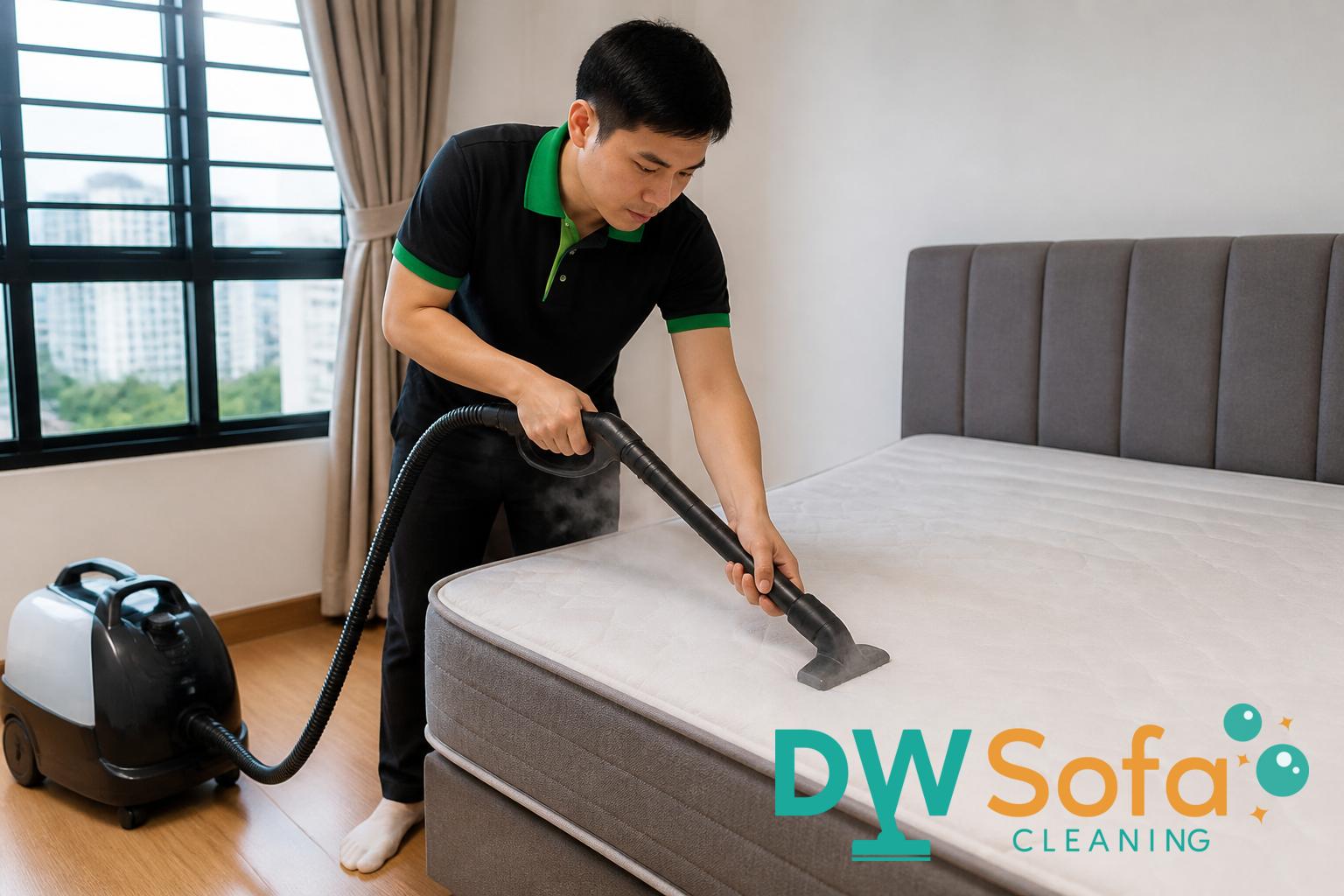
In Singapore’s warm and humid climate, mattresses can accumulate sweat, body oils, dust mites and fine dust more quickly than many homeowners realise. Even if a mattress looks clean on the surface, it may still hold allergens and odours deep within the layers, which can affect sleep quality and general hygiene. Knowing how often to arrange professional mattress cleaning helps you protect your bed, extend the mattress’s lifespan and maintain a healthier sleeping environment.
Why mattress cleaning matters more in Singapore
Mattresses in Singapore face year-round humidity, which creates favourable conditions for dust mites and trapped moisture. This is especially relevant in HDB flats, condominiums and landed homes where air-conditioned rooms may still experience condensation or limited airflow around bedding. Over time, perspiration, skin cells and accidental spills can settle into the mattress fabric and filling, even with regular sheet changes.
Professional mattress cleaning is useful because it goes beyond vacuuming the surface. A proper service can help reduce embedded dirt, target odour-causing residues and refresh the sleeping surface more effectively than home care alone. For families with children, allergy sufferers or anyone who spends long hours in bed, this can make a noticeable difference.
How often most mattresses should be professionally cleaned
As a general guide, most mattresses benefit from professional mattress cleaning once every 6 to 12 months. This is a practical interval for many Singapore households, especially if the mattress is used nightly and protected only by standard bed linen. A yearly service may be enough for a lightly used guest bed, but regular family-use mattresses usually need more frequent care.
If the mattress is used by young children, elderly family members, asthma sufferers or anyone prone to allergies, consider cleaning every 4 to 6 months. The same applies if the room tends to feel damp, if pets are allowed on the bed, or if the mattress has not been professionally cleaned for a long time.
Signs your mattress needs cleaning sooner
Timing is important, but visible and practical signs often tell you when the mattress needs attention before the next scheduled service. Common warning signs include stale odours, yellowing from sweat, darker patches from spills, or increased sneezing and discomfort after lying down. If the mattress feels less fresh even after changing linens, dirt may be trapped beneath the surface.
You should also arrange cleaning sooner after illness, a urine accident, a drink spill or prolonged use without adequate airing. In humid homes, mattresses may also develop a musty smell if the bed is close to a wall or stored in a room with limited ventilation. These issues are easier to manage when treated early rather than left to deepen into the inner layers.
Different households may need different cleaning schedules
There is no single frequency that suits every home. A bachelor staying in a well-ventilated condominium bedroom may need mattress cleaning less often than a family with children sharing beds or taking naps on the mattress during the day. Likewise, a guest room mattress used only occasionally may need less frequent professional care than a daily-use master bed.
Singapore homes with pets, humid storage conditions, frequent food or drink use in bed, or residents with sensitive skin should generally choose a shorter cleaning interval. If you are unsure, a simple rule is to inspect the mattress every few months and book professional cleaning once you notice recurring stains, odours or allergy symptoms.
What professional mattress cleaning usually involves
Professional mattress cleaning typically begins with a close inspection of the fabric, stitching, stains and overall condition. Depending on the mattress type and the level of soiling, the technician may use vacuum extraction, stain treatment, hot-water-based cleaning, steam-assisted methods or targeted deodorising techniques. The aim is to remove trapped dirt while protecting the mattress material.
Different mattresses respond differently to cleaning methods. Foam, latex, hybrid and spring mattresses each require a careful approach to avoid excess moisture or damage. A trained cleaner will usually select the safest method based on the mattress construction, surface fabric and the type of stain involved. This is particularly important in Singapore, where fast drying and proper moisture control matter.
How to care for your mattress between professional cleanings
Regular home care helps stretch the time between professional services. Vacuum the mattress surface occasionally using a clean upholstery attachment, rotate or flip it if the manufacturer allows it, and use a quality mattress protector to reduce staining. It also helps to open windows when possible or run air-conditioning and a dehumidifier to reduce moisture build-up in the bedroom.
Fresh bedding is also important. Washing bedsheets and pillowcases weekly can reduce the amount of sweat, dust and skin debris reaching the mattress. If a spill happens, blot it quickly rather than rubbing it in, and avoid soaking the mattress with too much water. These small habits can keep the mattress in better condition and make professional cleaning more effective when it is eventually needed.
Why waiting too long can cost more in the long run
Delaying mattress cleaning can allow stains and odours to settle deeper into the material, making them harder to remove later. In some cases, a neglected mattress may develop persistent smell, visible discolouration or a generally tired appearance that affects both comfort and hygiene. What could have been routine maintenance may turn into a more involved restorative cleaning process.
There is also the matter of replacement costs. A mattress that is properly maintained often lasts longer and remains more pleasant to sleep on. For Singapore households looking to manage home expenses sensibly, regular mattress cleaning can be a practical way to protect a significant furniture investment.
If you would like to discuss the most suitable mattress cleaning approach for your home, you can WhatsApp DW Sofa Cleaning Singapore to request a quotation based on the mattress type, material and condition: message us here.
Conclusion
For most Singapore households, professional mattress cleaning every 6 to 12 months is a sensible starting point, with more frequent service recommended for allergy sufferers, children’s beds, pet owners and homes with humidity or spill concerns. By combining routine home care with timely professional cleaning, you can keep your mattress fresher, more hygienic and more comfortable throughout the year.
Choose DW Sofa Cleaning Singapore
DW Sofa Cleaning Singapore offers you a one-stop solution for your sofa cleaning needs in Singapore. Our professional and reliable services include sofa deep cleaning, sofa stain removal, and upholstery cleaning. Our professional sofa cleaning specialists will ensure to perform the cleaning services professionally. Check out our articles for an extensive view of our services and cleaning tips. Do not hesitate to call us or contact us via Whatsapp at +65 8241 0032 to solve any of your sofa cleaning needs!
Frequently Asked Questions
Can I clean my mattress myself instead of hiring a professional?
You can vacuum the mattress and treat minor spots at home, but home methods usually cannot reach embedded dirt, odours and allergens as effectively as professional mattress cleaning. Using too much water or the wrong product can also damage the fabric or leave moisture trapped inside.
How do I know if my mattress needs steam cleaning?
Steam cleaning may be suitable for some mattresses when there are odours, surface contamination or light staining, but not every mattress should be treated this way. The right method depends on the material, the age of the mattress and whether excess heat or moisture could cause damage.
Does a mattress protector mean I can clean the mattress less often?
A mattress protector helps reduce dirt, sweat and stain transfer, which can certainly slow down wear. However, it does not replace professional cleaning, because dust, allergens and body residue can still reach the mattress over time through everyday use.