
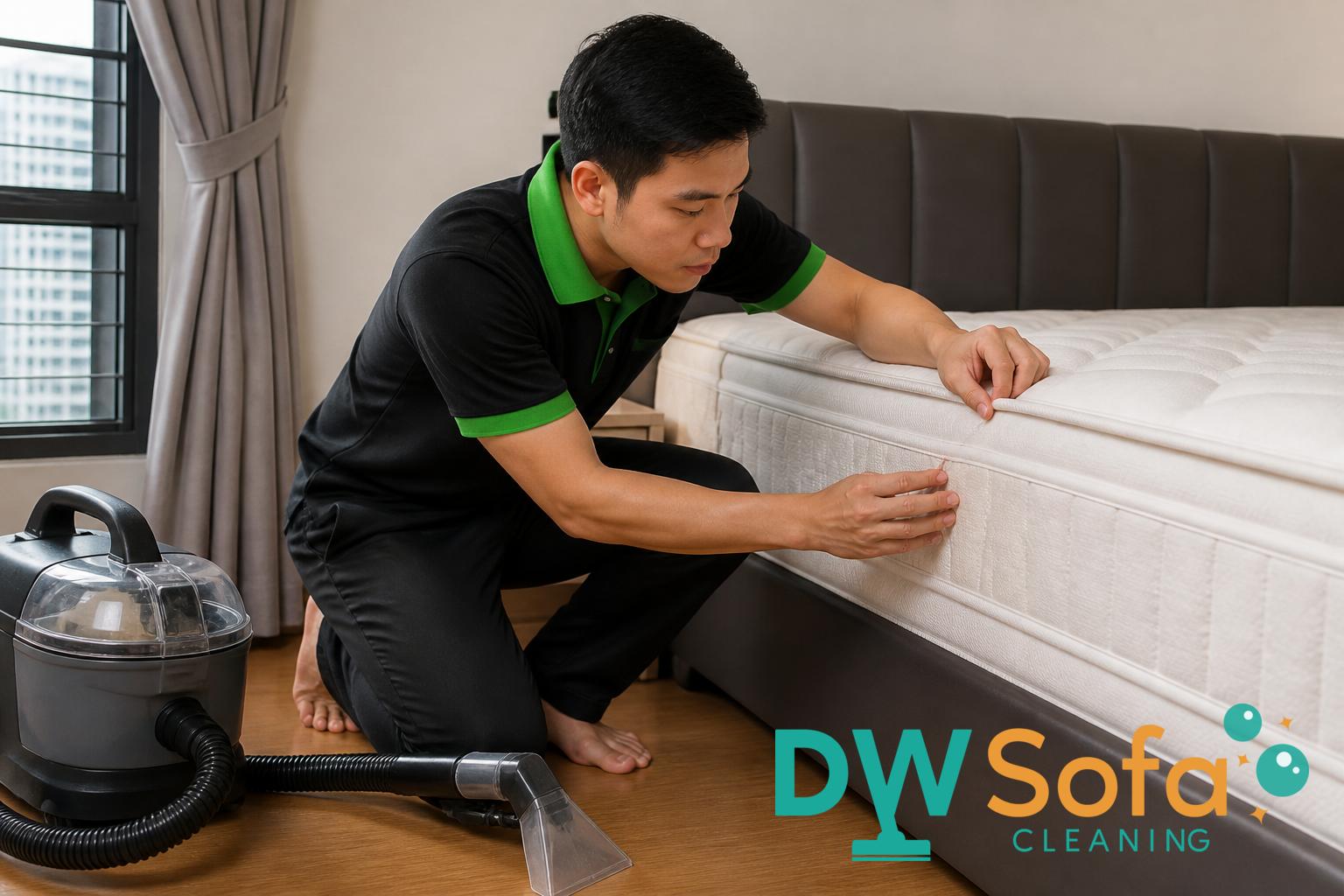
After professional mattress cleaning, most people want to know the same practical thing: how long should you wait before sleeping on it again? The answer depends on the cleaning method used, the level of moisture left behind, and the ventilation in your home. In Singapore’s warm, humid climate, drying time matters even more because a mattress that is put back into use too early can trap dampness, develop odours, or feel uncomfortable through the night.
What affects drying time after mattress cleaning
The main factor is the cleaning process itself. A light mattress vacuuming or surface refresh usually leaves very little moisture, while a deeper mattress steam cleaning or stain treatment may introduce more water into the fabric and foam layers. Some mattresses also take longer to dry if they have thick padding, memory foam, pillow-top construction, or multiple fabric layers.
Humidity, airflow, and the room temperature also play a major part. In a Singapore bedroom with limited cross-ventilation, drying may take longer than in a room with windows open and fans running. If the mattress is placed on a divan base or enclosed bed frame, the underside may dry more slowly unless air can circulate freely.
Typical waiting times before using the mattress
As a general guide, a professionally cleaned mattress may be ready for light use within a few hours to overnight if only minimal moisture was used. For deeper mattress deep cleaning or mattress steam cleaning, it is safer to allow at least 6 to 12 hours, and sometimes up to 24 hours if the mattress is thick or the weather is especially humid.
If the mattress still feels damp to the touch, has a cool clammy surface, or gives off a musty smell, it should not be used yet. Sleeping on a partly wet mattress can make the bed feel uncomfortable and may also create a suitable environment for mould growth, particularly in enclosed Singapore bedrooms.
Signs that the mattress is ready to sleep on
Before making the bed, check the surface with clean, dry hands. The mattress should feel dry throughout, not only on the top layer. Pay attention to seams, tufts, edges, and the underside, as these areas often retain moisture longer than the centre of the mattress.
A properly dried mattress should also have no noticeable damp smell. A clean scent is fine, but any lingering wetness, sourness, or chemical odour suggests it needs more time to air out. If bedding is placed on too soon, fitted sheets can trap moisture and slow the drying process further.
- Surface feels dry and comfortable
- No cool or damp patches remain
- Odour has cleared
- Mattress feels evenly dry at the edges and seams
Why Singapore homes should be extra careful with drying
Singapore’s humidity can make mattress drying slower than many homeowners expect. Even if the surface appears dry, moisture can remain inside the layers for several more hours. This is especially important in HDB flats and condominiums where air-conditioning may be used overnight but windows are kept shut for comfort or privacy.
Using a mattress too early in humid conditions can also encourage sweat absorption and reintroduce odour quickly. For families with young children, elderly members, or allergy-sensitive sleepers, allowing full drying time is even more important because a properly dried mattress supports better hygiene and a fresher sleeping environment.
How to help your mattress dry faster
There are a few simple ways to support faster drying after mattress cleaning. Good airflow is the most effective. Open windows if the weather permits, switch on ceiling or standing fans, and keep the bedroom door open where possible. If the mattress can be lifted slightly for air circulation underneath, that can also help reduce drying time.
Avoid using heavy blankets, mattress protectors, or sheets until the mattress is fully dry. If the room is air-conditioned, use it together with a fan rather than relying on cold air alone. Cold air may feel comfortable, but moving air is what helps moisture evaporate more efficiently.
What happens if you use the mattress too early
Sleeping on a mattress before it is fully dry is not usually dangerous, but it can undo part of the cleaning benefit. Moisture trapped beneath sheets may lead to a stale smell, slow the return to normal comfort, and leave the mattress feeling slightly spongy or cool. In some cases, the remaining dampness may also contribute to mould or mildew if the mattress does not dry out properly afterwards.
For stain removal and mattress stain cleaning in particular, premature use can sometimes cause the treated area to reappear more noticeably as moisture rises to the surface. It is better to be patient for a few extra hours than to compromise the result of the cleaning service.
When the mattress needs more drying time than usual
Certain situations naturally require a longer wait. Mattresses that have been treated for urine marks, sweat build-up, food spills, or deeper odours often need more drying time because more solution may have been used during the cleaning process. Dense foam mattresses and larger bed sizes may also retain more moisture than thinner spring mattresses.
If the cleaner has recommended a specific drying period, follow that advice first. Professional cleaners may adjust the waiting time based on the cleaning method, mattress material, and condition on the day. In practice, a cautious approach is always better than guessing based on the surface appearance alone.
If you would like a suitable mattress cleaning, mattress deep cleaning, mattress steam cleaning or mattress stain cleaning service arranged for your home, you can WhatsApp DW Sofa Cleaning Singapore to discuss the mattress material and condition and request a quotation.
Conclusion
How soon you can use a mattress after professional mattress cleaning depends on moisture levels, cleaning method, and room conditions, but the safest approach is to wait until it is fully dry to the touch and free from any damp smell. In Singapore, where humidity can slow evaporation, giving the mattress enough drying time protects comfort, hygiene, and the overall result of the cleaning. A little patience before remaking the bed goes a long way towards a fresher, healthier sleep surface.
Choose DW Sofa Cleaning Singapore
DW Sofa Cleaning Singapore offers you a one-stop solution for your sofa cleaning needs in Singapore. Our professional and reliable services include sofa deep cleaning, sofa stain removal, and upholstery cleaning. Our professional sofa cleaning specialists will ensure to perform the cleaning services professionally. Check out our articles for an extensive view of our services and cleaning tips. Do not hesitate to call us or contact us via Whatsapp at +65 8241 0032 to solve any of your sofa cleaning needs!
Frequently Asked Questions
Can I sleep on the mattress the same night after cleaning?
Yes, sometimes you can, provided the mattress was cleaned with minimal moisture and has had enough time to dry fully. For deeper steam cleaning or heavy stain treatment, it is safer to wait longer before sleeping on it.
Does a memory foam mattress take longer to dry?
Usually, yes. Memory foam and thicker mattresses tend to retain more moisture than thinner spring models, so they often need extra drying time after cleaning.
Will using fans help after mattress cleaning?
Yes. Fans improve air circulation and help moisture evaporate more quickly. They are one of the most useful ways to support drying in Singapore homes after professional mattress cleaning.