
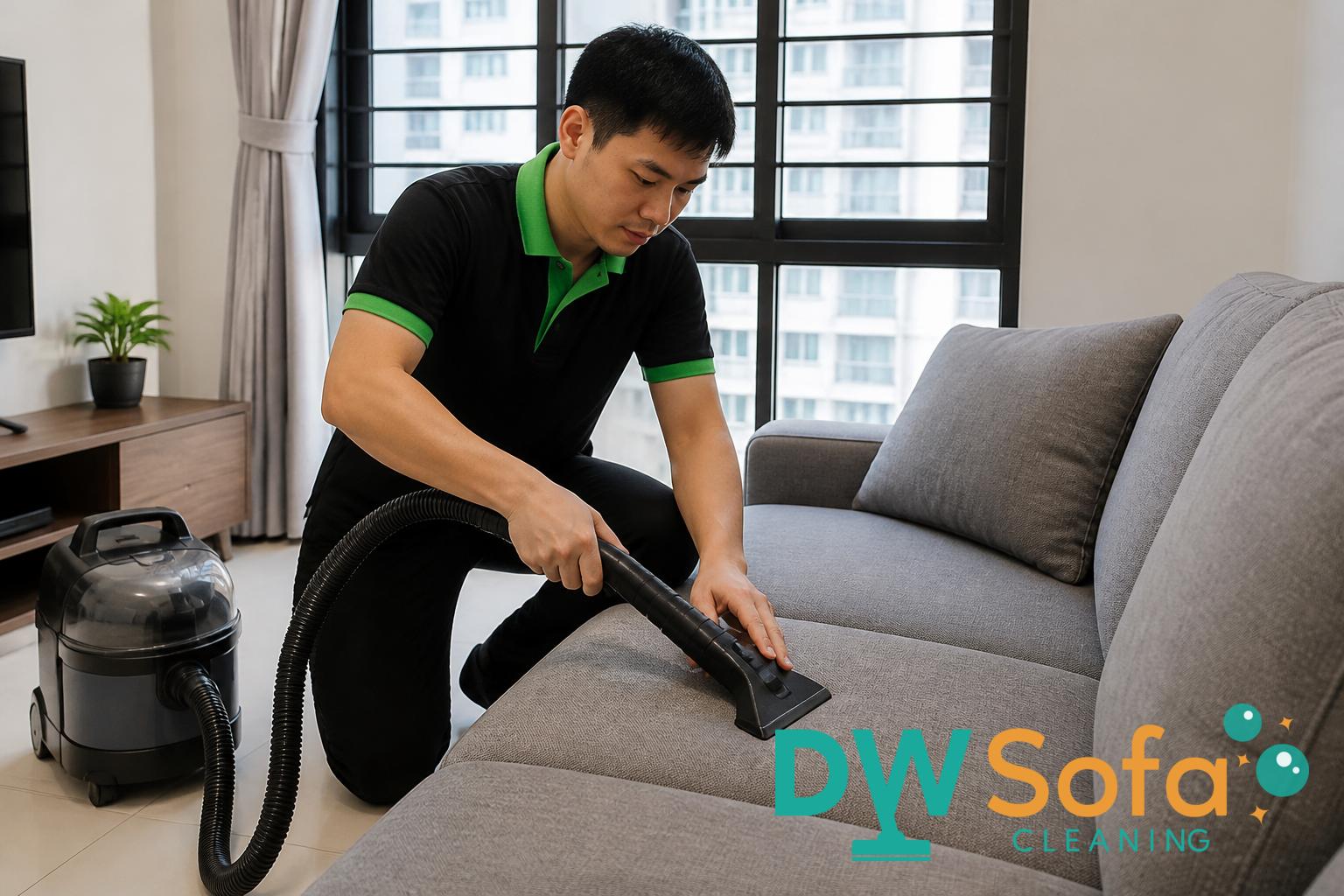
Singapore’s climate is warm, damp and often unpredictable, and that combination has a direct impact on the condition of upholstered furniture. Sofas in particular absorb everyday dust, body oils, sweat and moisture more quickly in humid weather, which can make them feel stale, look tired and develop odours sooner than expected. For homeowners in HDB flats, condominiums and landed properties, regular sofa cleaning is not just about appearances; it is a practical way to protect comfort, hygiene and the lifespan of the fabric or leather.
Humidity creates the ideal conditions for trapped moisture
High humidity means the air already contains a large amount of moisture, so soft furnishings take longer to dry after use, spills or light cleaning. A sofa can feel perfectly dry on the surface while still holding dampness in the deeper layers of the upholstery and cushioning. Over time, that hidden moisture can make the sofa feel heavy, musty and less fresh.
This is especially relevant in Singapore homes where windows are closed during rain, air-conditioning cycles on and off, and living rooms are used throughout the day. Even without any obvious spill, humidity alone can allow moisture to linger in the fibres, making sofa cleaning more important than in drier climates.
Moist conditions can encourage mould and mildew growth
One of the biggest concerns in a humid environment is the risk of mould and mildew. Sofas that are placed near windows, against external walls or in poorly ventilated corners can retain moisture for longer periods. When that happens, mould spores have a better chance of settling into the fabric, seams and padding.
Mould and mildew are not only unpleasant to look at; they can also produce persistent odours and trigger discomfort for sensitive household members. Professional sofa cleaning helps remove the build-up of dirt and moisture that these growths feed on, while also improving the overall freshness of the furniture.
Dust mites thrive when humidity stays high
Another reason sofa cleaning matters more in Singapore is dust mites. These microscopic organisms are common in warm, humid environments and tend to collect in soft furnishings, including sofas, cushions and upholstered armchairs. They feed on dead skin cells and settle deeply into the material where vacuuming alone may not reach effectively.
For families with allergies, asthma or sensitive skin, this can affect comfort at home. Regular sofa deep cleaning can help reduce the build-up of allergens trapped in the upholstery, making the living room a more pleasant space for daily use.
Everyday use adds sweat, skin oils and odours faster
In a tropical climate, people naturally perspire more, even when they are simply relaxing at home. Body oils, sweat and moisture transfer easily onto sofas through daily sitting, napping and lounging. These residues may not be visible at first, but they gradually accumulate and can create a dull, slightly sticky or stale feel on the fabric.
Food crumbs, pet dander and cooking odours can also settle into the sofa more quickly when the air is humid and still. Over time, the sofa may start to hold onto smells instead of releasing them. Sofa steam cleaning and other professional upholstery cleaning methods can help refresh the material more thoroughly than routine surface wiping.
Humidity can make stains harder to manage
When spills occur in a humid home, they can spread differently and dry unevenly. This may cause the stain to set deeper into the fibres or leave a larger water mark around the original spill. Drinks, sauces and oily marks can become more difficult to treat if the sofa is left untreated for too long.
In Singapore, where the air is often damp, it is wise to address stains promptly and use the correct cleaning method for the sofa material. Fabric sofa cleaning, sofa stain removal and targeted upholstery treatment can help prevent staining from becoming permanent or from leaving an unpleasant smell behind.
Regular cleaning helps different sofa materials last longer
Different sofa materials react differently to humidity. Fabric upholstery may hold moisture and odours more easily, while leather can develop surface issues if it is exposed to grime and fluctuating indoor conditions. Microfibre, suede-like finishes and blended textiles each need their own approach to cleaning and drying.
Routine sofa cleaning supports the condition of the material by removing build-up before it becomes embedded. This helps reduce wear, keeps the colours looking more even and slows down the gradual deterioration that can happen when dirt and moisture are left in place for too long.
Cleaner sofas support a more comfortable living room
A sofa is often the most-used piece of furniture in a Singapore home. It is where family members sit after work, children watch television, guests gather and pets may rest. Because of this constant use, the sofa can quickly become one of the most contaminated soft furnishings in the home if it is not cleaned properly.
Keeping it fresh matters not only for hygiene, but also for day-to-day comfort. A clean sofa feels better to use, smells more neutral and creates a more welcoming living area. For many households, sofa deep cleaning is part of maintaining a healthier and more pleasant home environment in a humid climate.
If your sofa is starting to look dull, feel damp or hold onto odours, you can WhatsApp DW Sofa Cleaning Singapore to discuss the right sofa cleaning, sofa steam cleaning or sofa stain removal service for your furniture and request a quotation based on its material and condition.
How often should sofas be cleaned in Singapore?
There is no single rule that suits every household, but sofas in humid climates usually benefit from more regular attention than furniture in drier regions. Homes with children, pets, heavy usage or frequent visitors may need cleaning more often, especially if odours, stains or allergy concerns are already present.
A practical approach is to combine routine vacuuming, immediate spill treatment and periodic professional sofa cleaning. This helps stop dirt and moisture from building up too deeply and keeps the sofa in better condition throughout the year.
Conclusion
Singapore’s humidity makes sofa cleaning more important because moisture, odours, dust mites, mould and stains can build up faster in upholstered furniture. Regular care helps protect the material, improve indoor comfort and keep the living room feeling fresh. For homes that rely on their sofa every day, proper cleaning is not a luxury; it is a sensible part of maintaining a healthier and longer-lasting piece of furniture.
Choose DW Sofa Cleaning Singapore
DW Sofa Cleaning Singapore provides professional and reliable sofa cleaning services in Singapore which include sofa deep cleaning, sofa stain removal, and upholstery cleaning. Feel free to look through our articles and learn some cleaning tips. Do not hesitate to call us or Whatsapp us at +65 8241 0032 for efficient and reputable sofa cleaning services!
Frequently Asked Questions
Why does a sofa smell worse in humid weather?
Humid air slows down drying and allows moisture to stay trapped in the fabric and cushioning. That lingering dampness can mix with body oils, sweat and everyday dirt, which often creates a musty or stale smell.
Can humidity cause mould inside a sofa?
Yes. If a sofa holds moisture for long periods, especially in poorly ventilated rooms, mould and mildew can develop in the deeper layers of the upholstery. This is one reason regular sofa cleaning is important in Singapore.
Is vacuuming enough for humid homes?
Vacuuming helps remove surface dust and crumbs, but it usually does not reach moisture, deep-seated odours or embedded contaminants. In a humid environment, periodic sofa deep cleaning is often needed to maintain freshness and hygiene.
Last Updated on September 10, 2026